Walkthrough vs. Highlight: Real Estate Videography Luminis Media Guide
Videography has moved from nice-to-have to non-negotiable in most listings, but not all videos are built for the same job. The two formats agents ask for most often are walkthroughs and highlights. They share a camera and a lens kit, yet they answer different questions for buyers and drive different behaviors. Choosing correctly is the difference between a video that earns private showings and one that becomes background noise on social media.
At Luminis Media, we shoot both every week, often for the same property. Our team pairs video with Luminis Media real estate photography, measured floor plans, and aerials, then structures a cohesive package that fits the listing strategy. This guide breaks down how we think about the two formats, where each shines, and the way we produce them so you can pick with confidence.
What each format actually does
A walkthrough video is built to show spatial flow. It answers, where is the kitchen relative to the family room, how does the main suite connect to outdoor space, and does the basement have natural light or just recessed cans. A good walkthrough feels like you are on a private tour, steady and patient, with minimal cuts. We prioritize continuous movement through doorways and transitions up stairs that maintain orientation. Viewers finish with a mental map of the home.
A highlight video is about mood. Instead of strict continuity, it prioritizes a series of emotionally resonant vignettes. Think dawn light across honed marble, the way sliders pocket into the wall, or the texture of reclaimed beams. Highlights deliver impact in the first five seconds, which matters for paid promotion, social feeds, and brand building in the luxury tier. The final cut may not show every room, because it is designed to spark an inquiry rather than answer every question.
Both formats require craft. The same camera can produce a slow, invisible move through a hallway or a dynamic push-in on a Wolf range. The difference is intention.
When a walkthrough earns its keep
We recommend a walkthrough when the floor plan is a selling point. Newer construction with open sightlines, townhomes with vertical living, or suburban colonials with clear “zones” benefit from a linear tour. Quieter price brackets where buyers screen many listings quickly also gain from functional clarity. In these cases, the walkthrough works hand in hand with listing photography Luminis Media provides, because stills tease features while the video confirms layout.
Seasoned buyers, relocation clients, and cash investors will watch longer, especially if the agent mentions the video covers the full plan. When we pair a walkthrough with dimensioned plans and our Luminis Media property photography set, we see lower bounce rates on the listing page and fewer “Is the laundry upstairs?” calls to the agent. It saves everyone time, which is a value signal on its own.
When a highlight does more work
Highlights shine with properties that sell on feel. Architect-driven homes, condos with skyline views, and anything with high finish quality respond well to short, cinematic treatments. In luxury real estate photography Luminis Media sessions, we are already capturing design details and textures. The highlight video extends that language with motion. For penthouses, waterfront homes, and mountain cabins, the lifestyle beats matter as much as the plan. A well-cut 45 to 75 second highlight can outperform a five minute tour in terms of reach and shares.
A highlight also pairs perfectly with paid placements. Vertical cuts for Reels and Shorts, tight openings that load in under a second, and audio design that breathes without shouting, these elements drive discovery. We anchor the campaign with a cinematic highlight while the MLS gets a still gallery and a separate, compliant walkthrough if needed.
Pre-production choices that shape the format
The best decision happens before we ever pull the camera from the case. Agents bring a price, a target buyer, and a go-to-market window. We translate that into a scope of work. The differences start small but add up: lens choices, stabilization, pacing, and music rights.
Here is the compact pre-production checklist we use with our team and clients:
- Define the job of the video: generate showings, build brand, support out-of-town buyers, or feed social.
- Confirm distribution constraints: MLS rules, brokerage branding policies, and any platform ratios needed.
- Identify hero moments: view corridors, architecture gestures, artisan materials, or outdoor amenities.
- Plan human elements: light food styling, model usage, or implied lifestyle touches like a lit fireplace.
- Align with photography: sequence rooms to support the photo story and avoid redundancy.
That alignment with real estate photos Luminis Media delivers is essential. If we know the hero still is the great room at blue hour, the highlight video will open on the same moment, but from a complementary angle that the still cannot show.
Camera movement and optical choices
Walkthroughs demand discipline. We shoot at 24 fps with a 1/50 shutter, wide angle but not distorted. Our typical range is 16 to 24 mm full frame for main spaces and a locked 35 mm for detail interludes. Gimbal moves are slow, with real estate photos a single axis priority to reduce motion sickness. Doors are opened before takes, lights are balanced for consistent color temperature, and we keep a natural walking cadence so viewers can predict movement. If a staircase is tight, we will pre-block the climb and sometimes use two stitched clips rather than risk a jarring turn.
Highlights are more permissive. We can ramp frame rates to 60 or 120 fps for a quick slow-motion pour of espresso or the flicker of a fire pit. We mix 24 and 60 carefully to avoid feeling like a montage of unrelated clips. Focal lengths stretch from 14 mm for a dramatic entry reveal to 85 mm for detail. We use sliders or a dolly for micro-movements on product shots so the motion is intentional, not floaty. If there is a standout view, a controlled parallax move with a medium telephoto conveys depth without the distortion of a superwide.
We avoid trendy whips and overdone transitions, especially in properties at higher price points. Timeless pacing ages better in your listing presentation reel next year.
Sound, voice, and captions
Sound tells buyers how to feel. Walkthroughs typically run with light, neutral music at a low mix and location audio minimized. Viewers are there for clarity, so we keep it clean. If the agent wants narration, we record a scripted voiceover in a treated room, keep sentences short, and match the cadence to the camera movement. Auto-generated captions help with mobile viewers, and we format them to stay clear of the MLS overlay if the video is repurposed.
Highlights reward more expressive sound design. The clink of a glass on stone, the soft click of a pocket door, the rush of wind across lake water, these micro sounds, layered under a cinematic bed, make details tangible. For brand-forward teams, a short opener tag and a consistent audio motif across listings can be part of long-term strategy. Luminis Media real estate videography packages include licensed music and light foley so agents do not worry about rights flags at the worst time.
Scripting the story
A walkthrough script is a path, not a poem. We sketch a route on the floor plan, define beats at each node, and pre-visualize door swings and reveals. If a home hides the pantry behind a cabinet door or has an elevator that opens directly into the unit, those get planned transitions. The point is to protect continuity. We also flag decision points for the edit, for example, whether to include all secondary bedrooms or skip to the bonus space if runtime is pushing long.
A highlight script is thematic. It has an opening hook, three to six set pieces, and a close that leaves a feeling. For a contemporary farmhouse, the theme might be materiality and morning light. For a downtown loft, it could be volume, brick, and nightlife proximity. We pull a shot list that supports those choices without feeling like a catalog. The best highlights hint at daily rituals: a book open on the window bench, towels folded by the spa bath, pendant lights pulsing in time with the track at the cut.
Production time, budget, and ROI
Agents expect clarity on time and cost, and the right format keeps the return healthy.
Walkthroughs typically require 1.5 to 3 hours on site for a 2,000 to 3,000 square foot home, plus 4 to 6 hours in edit, more if there is narration. Larger or more complex properties can double that. The edit is straightforward because continuity dictates sequence.
Highlights can be faster on site in small condos, 60 to 90 minutes if we shoot tight and time windows for light. For custom builds or estates, highlights can stretch to a half day or more, especially if we are weaving in twilight exteriors, aerials, or lifestyle beats. Edit time varies with pacing and sound design, from 4 hours for a crisp piece to 12 or more for a fully scored, detail-rich cut.
On performance, we track metrics across platforms. A clean walkthrough increases average session duration on listing pages and improves out-of-town buyer confidence, which we measure by reduced clarification emails. Highlights consistently drive higher view counts and shares, which help agent branding and sphere engagement. When we combine both with Luminis Media listing photography, we see the strongest outcomes: faster time to accepted offer and better showing-to-offer ratios. No magic, just aligned storytelling.
Distribution strategy and compliance
MLS rules matter. Some boards restrict branding, agent presence, or certain music. We maintain an MLS-safe master for walkthroughs and, if needed, an alternate cut with full branding for social. File sizes must load fast. A 1080p export with conservative bitrates equals smoother mobile playback on listing portals. For social, we produce vertical 9:16 crops of highlights and square versions for feed placement. You do not want the callout text to sit on a face frame or floor; planning safe zones in production saves frustration later.
On YouTube, longer walkthroughs benefit from chapters: Entry, Great Room, Kitchen, Primary Suite, Lower Level, Exterior. Buyers skip smartly and still stay longer. On Instagram and TikTok, we open highlights with the showstopper within one second. That is not a gimmick, it is respect for the platform’s pace.
Case notes from recent shoots
A mid-century ranch with a full down-to-studs renovation, 2,400 square feet, quarter acre lot. The plan was reworked to create flow from the entry to the yard through a 16 foot slider. We chose a walkthrough with a short cutaway highlight for social. The video anchored the listing page and answered questions before showings. The agent reported three offers after the first weekend, with two buyers referencing the video in their first message.
A new-build lakefront, 5,800 square feet with a boathouse and dock. The hero was lifestyle, specifically mornings on the water and blue hour dinners on the deck. We produced a 70 second highlight, a two minute aerial add-on, and a separate unbranded walkthrough for MLS. The highlight ran as a targeted ad to out-of-market buyers. Engagement doubled expectations, and two schedule requests came from social placements.
A downtown loft with idiosyncratic layout, 1,200 square feet but a tricky mezzanine sleeping area. Here, the highlight would have misled. We leaned into a careful walkthrough that made clear how the mezzanine functioned and where storage lived. It cut down on unqualified showings. The right buyer appreciated the unusual plan because they could see exactly how it worked.
Common pitfalls, and how we avoid them
Pace is the silent killer. Many walkthroughs move either too fast, which confuses spatial memory, or too slow, which loses viewers mid-hallway. We meter real estate photography movement to match human walking speed and limit lateral drift so the horizon stays calm. Highlights suffer when every shot is a micro-banger with no breath. We build space between hero beats with two count holds.
Over-wide lenses distort spaces and promise volumes the home cannot deliver. We set a floor for focal length and step back physically rather than cheating with optics. Mixed color temperatures make both formats look cheap. We standardize to a neutral Kelvin and gel fixtures if needed. Mirrors and glossy surfaces can reveal crew or gear; we block and rehearse entries to bathrooms and media rooms so the camera disappears.
Finally, many teams do not coordinate photos and video. At Luminis Media, our real estate photographer and videographer speak on site, trade angles, and stagger sequences. That synergy keeps the final story coherent. It is one reason Luminis Media real estate photos and luminis.media real estate videography maintain a consistent look across packages.
How video integrates with photography and floor plans
Still photography remains the workhorse of listing marketing. Property photography Luminis Media produces frames the narrative with hero images and essential context. The video format extends that foundation. Walkthroughs reinforce orientation that photos suggest. Highlights explore materials that photos capture in a single fraction of a second.
Floor plans complete the triad. We often place QR codes on printed plans at open houses that link to walkthroughs. Buyers hold the plan while the video runs on their phone, mapping motion to lines. For remote buyers, we email a packet that includes a still luminis.media property photography gallery, a highlight link, a walkthrough link, and the plan. That combination reduces friction and invites decisive action.
Quick decision guide for busy agents
When speed matters, this is how we advise clients to choose:
- Prioritize a walkthrough if the floor plan is complex or unconventional, and if remote buyers are a target.
- Lead with a highlight if the home sells on finish quality, views, or lifestyle vignettes that feel aspirational.
- Order both when the property is seven figures and up, or when you plan a multi-channel campaign.
- Add narration to walkthroughs if you want to preempt common objections or clarify upgrades.
- Produce vertical cuts of highlights for social, and keep an unbranded horizontal master for MLS.
These guidelines are not rigid rules. Your market, your brand, and the specific home will sometimes point another way. That is why we plan with you, not just for you.
A production day that actually runs on time
On a recent luxury listing, we ran a combined shoot: Luminis Media real estate photography in the morning, highlight b-roll midday, and a twilight exterior window for both video and stills. We arrived 45 minutes before first light to stage, set Kelvin across the house to avoid warm-cool clashes, and pre-hang sheers in the primary to soften hard eastern exposure. Photography led in the main spaces to capture the rare calm of morning. As the sun rose and contrast increased, we switched to highlight details that benefit from specular highlights, like veining in the kitchen island.
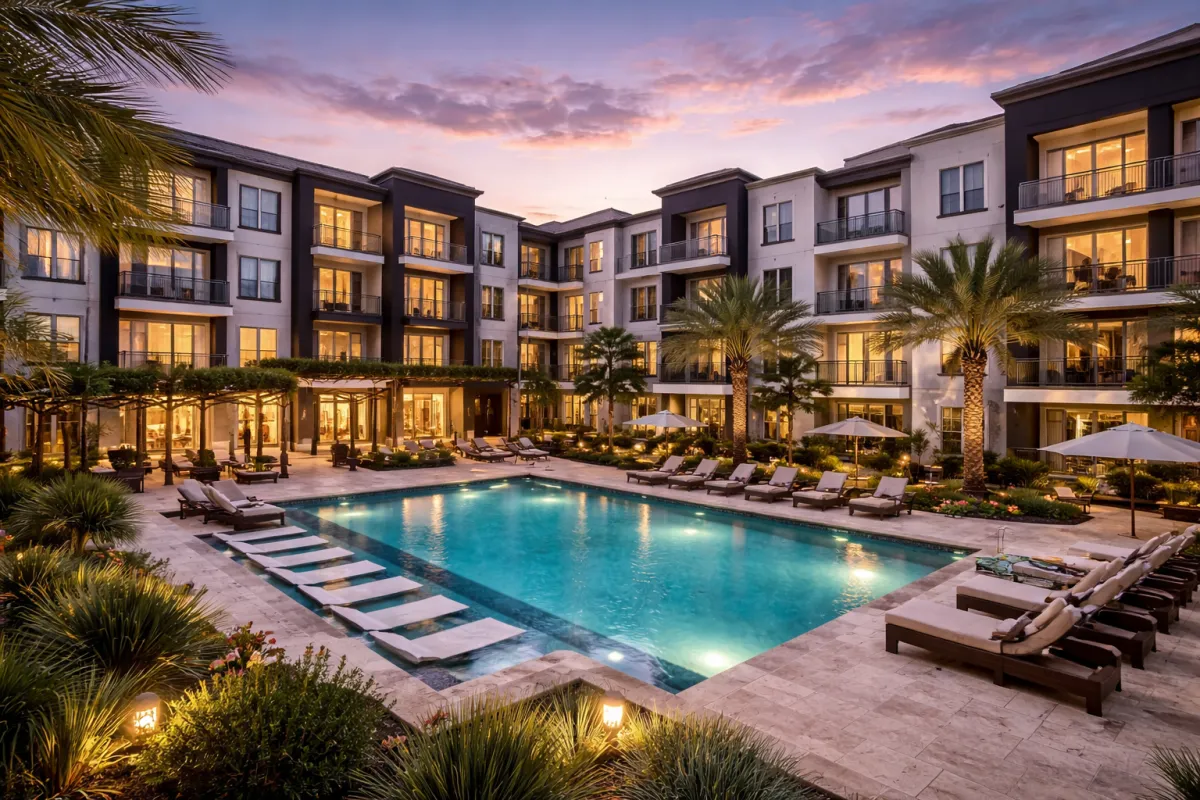
In the early afternoon, we blocked the walkthrough path, cleared personal items from transitional spaces, and rehearsed door swings and elevator calls. We shot the walkthrough in a single continuous gimbal session broken at natural cuts to preserve energy. Between takes, our Luminis Media real estate photographer captured exteriors with long glass as the breeze settled. We closed with a blue hour sequence that we knew would be the opening of the highlight and the hero still of the gallery.
The client left with a cohesive set of deliverables timed for the weekend listing launch. The photos headlined the MLS, the walkthrough lived on the property site and in email to relocation buyers, and the highlight distributed across social and paid placements. That is the rhythm we default to when properties justify the full story.
Editing choices that respect the property
We edit walkthroughs chronologically, but we do not feel married to raw chronology if a small reorder rescues pace. For example, if a secondary hallway creates drag, we jump to the outdoor space and return later, signposting with a caption to keep orientation. We avoid aggressive color grades. The point is truth with polish, not mood for mood’s sake. Skin tones may not be present, but wood tones and paint colors need to read as in person.
Highlights invite more shaping. We build beats on a musical spine, often cutting in threes or fives to create a rhythm that feels intentional rather than frantic. Transitions are match cuts on motion or geometry, not wipes. If a window clip risks flicker from LED refresh, we adjust shutter angle or replace the beat rather than forcing it. On audio, we dip music under environment sounds subtly, because overdone foley reads false.
Performance measurement and iteration
Our clients get dashboards. We tag each export with a unique ID across platforms and pull watch times, completion rates, traffic sources, and click-through to contact forms. Walkthroughs that run over three minutes often see steep drop-offs at 40 percent unless the property is niche or the agent narrates with value. We trim accordingly in future shoots. Highlights under 30 seconds perform well on social but may under-inform. We hold most between 45 and 75 seconds and provide a 15 second cut for ads.
We also look at secondary effects. Agents using coordinated Luminis Media listing photography and luminis.media real estate videography templates in their newsletters see more replies because the content looks like a curated brand rather than a recycled MLS link. That feedback loop helps us refine tone and pacing for the next job.
Budgeting without guesswork
Clear packages help. Our base walkthrough covers most single-family homes up to a defined square footage, includes an MLS-safe edit, and optional voiceover priced simply. Highlight packages scale by complexity: number of hero moments, time of day coverage, and whether we add aerials or lifestyle staging. Bundling with Luminis Media real estate photos and floor plans brings cost efficiency, not just on paper but on site, because one crew plans the day holistically.
Agents sometimes ask if they can convert a highlight into a walkthrough later. The answer is usually no. The capture strategy is different. If you think you might need both, say so up front, and we will build a schedule that collects what each format needs without redundant visits.
Where keywords meet real work
There is a lot of noise around search visibility. We place descriptive, human-readable titles and descriptions on uploads. Terms like Luminis Media real estate photographer or property photography luminis.media show up in profiles and footers, but we do not stuff copy. Buyers do not search for jargon. They search for neighborhoods, price ranges, and feelings. A clean highlight or a lucid walkthrough does more for your brand than any string of tags.
That said, we maintain consistent naming across platforms. You will see real estate photos luminis.media or luminis.media real estate videography referenced in our channels, so that when someone finds a clip on one platform, they can find the full package on another. It is all small, cumulative signals of professionalism.
Final thoughts from the field
After hundreds of shoots, the pattern is simple. A walkthrough is a promise of clarity. A highlight is a promise of feeling. Some homes need one, some need the other, the best need both. If you are listing a tidy colonial in a commuter town, do not overcomplicate it; make a clean walkthrough and support it with sharp Luminis Media real estate photos. If you are bringing an architect’s personal home to market, let it breathe with a highlight that respects design intent, and consider a restrained, unbranded walkthrough for the buyers who care about orientation.
Either way, treat video as part of an integrated package. Coordinate with your real estate photographer Luminis Media team, set a plan that respects light, and decide the job your video has to do before you press record. That is the craft. And it is what separates content that fills a feed from content that fills a calendar with showings.